

FHA or Conventional? The Simple Answer When You’re Filling Out Your Loan Application
The good news is that you do not have to decide alone. Your lender looks at your income, credit, savings, and the home you want to buy.

Should You Buy a Duplex or a Single-Family Home First?
There is no single right answer. It really depends on what you need, what you can handle right now, and where you want to go in the future.

The Quiet Way Families Are Losing Homes Without Realizing It
Many families enter these arrangements thinking they’re helping a relative, getting out of a tough situation, or closing a creative deal. What they don’t realize is that the mortgage is still in their name and the lender can call the full loan due at any time.

Understanding Homestead Exemptions: Stop the tax jump
Too many families only learn how complicated and expensive the probate and tax side of homeownership can be once they’re already in the middle of it. You can avoid a lot of that stress by handling a couple of things right after you get your keys.

How Title Insurance Actually Protects You in 2026
Title fraud has accelerated sharply in the last few years. Scammers monitor public records for vacant land, second homes, and properties owned by elderly residents, then forge deeds to sell or borrow against properties they don't own.

Why Earnest Money Disputes Happen and How to Win Them
In markets like DFW, where median home prices push earnest deposits into five figures, understanding how these disputes unfold can save you weeks of frustration and thousands in attorney fees.
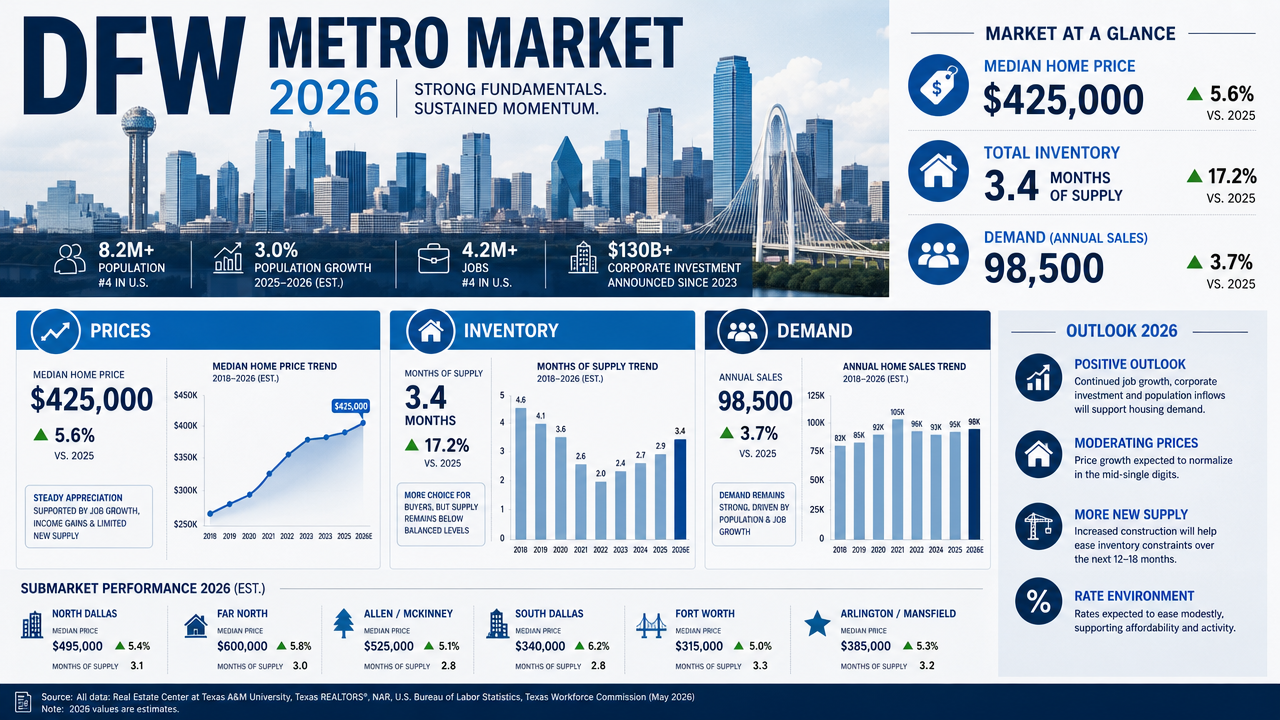
Inside the DFW Metro Market: Prices, Inventory, and Demand in 2026
DFW remain more attractive than coastal markets, which is keeping out-of-state investors active. The same trend applies in markets like Charlotte, Nashville, and Raleigh.

Hidden Costs That Inflate Your Monthly Mortgage Payment in 2026
In 2026, the gap between the loan payment quoted by a lender and the actual money leaving your account each month is wider than ever, driven by rising insurance premiums, property tax reassessments, and a stack of smaller fees most buyers never see coming.
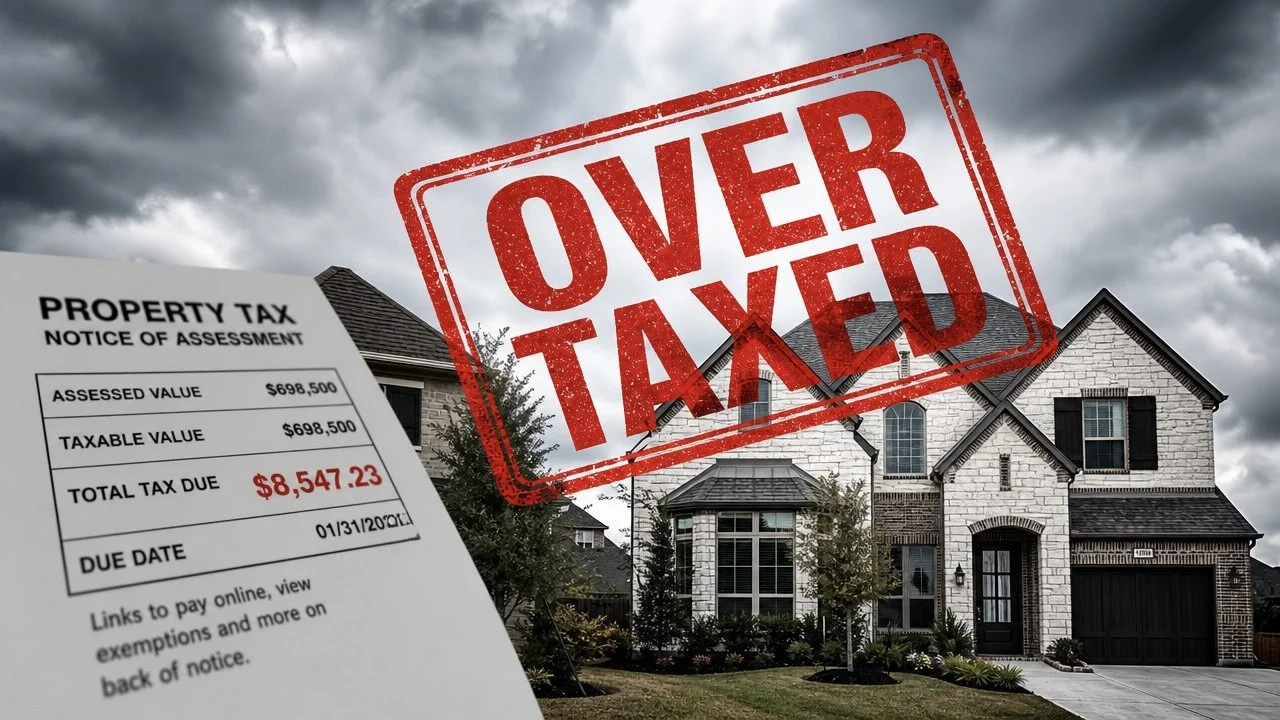
The Property Tax Reassessment Surprise Hitting DFW Homeowners
Never trust the seller's current tax bill as your projection. Once you close, the property is often reassessed at sale price, and your bill can jump 20–40% in year one. Always calculate your true tax exposure using the current market value, not the seller's capped assessment.
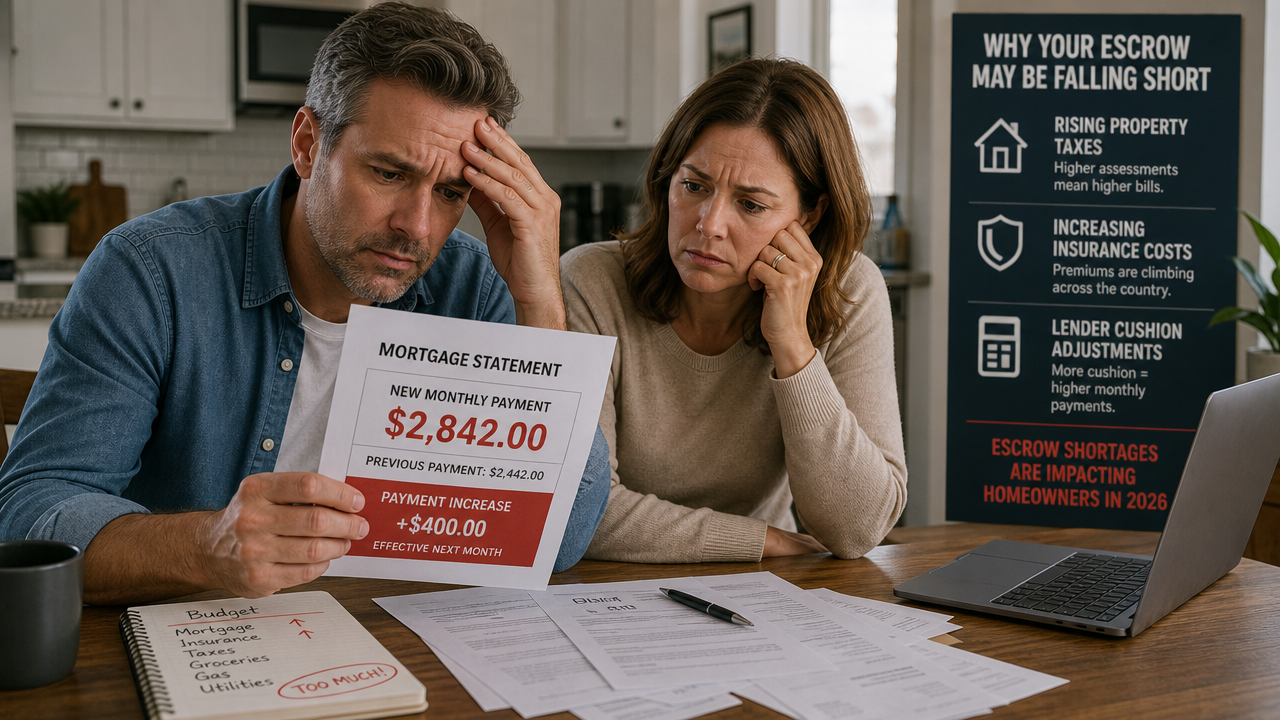
Escrow Shortages: The Surprise Hitting Homeowners in 2026
Once a year, the servicer runs an escrow analysis comparing what was collected to what was actually paid out. If the account is short because taxes or insurance premiums rose, you're billed for the difference.

How Much House Can You Actually Afford on a $75K Salary
Most lenders use a debt-to-income (DTI) ratio capped at around 43%, though conventional loans often allow up to 50% with strong compensating factors

What "Move-In Ready" Actually Means (and What Sellers Hope You Won't Notice)
"Move-in ready" is real estate speak for "you won't need a construction crew on day one." In the DFW market, where inventory moves fast, and buyers often face bidding wars, this phrase signals that major systems work, the roof doesn't leak, and you can physically live in the house without camping gear.
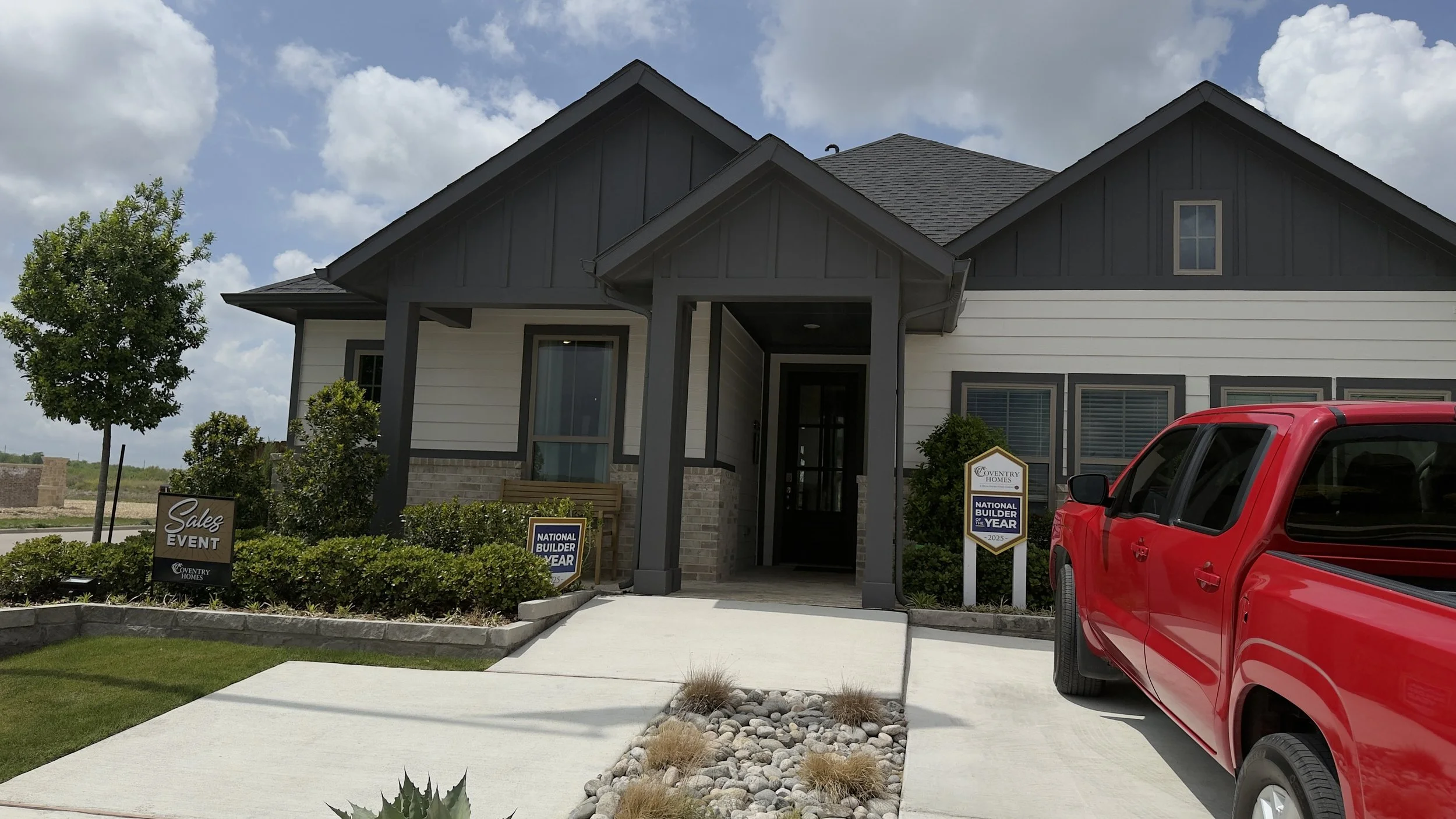
Seller Concessions in 2026: When Giving Gets You More
Seller Strategy: The key isn't to give away everything; it's to understand which concessions deliver the maximum impact for your investment.
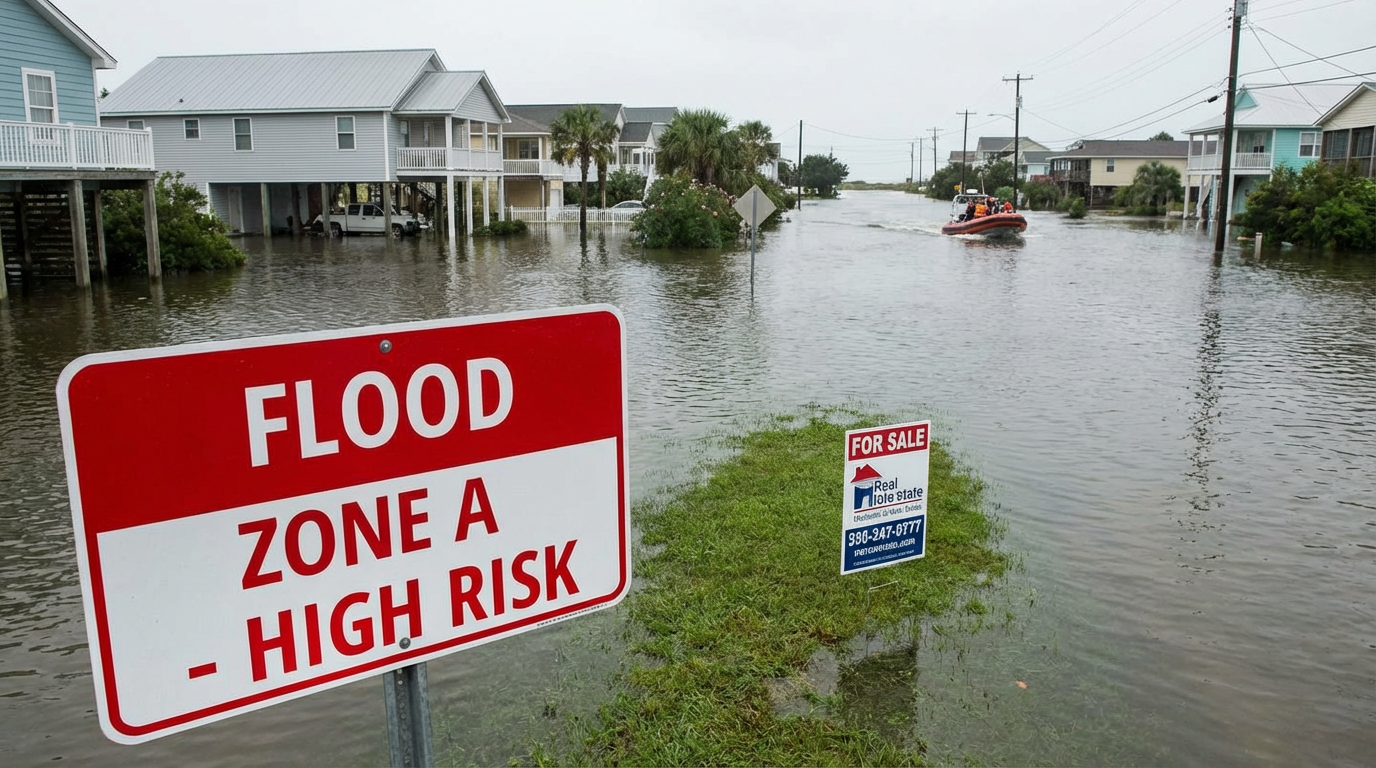
Flood Zones: How to Check Before You Buy (and Why Most Buyers Don't)
Most homebuyers obsess over square footage and school districts, but skip the flood zone check that could save them thousands in insurance premiums and potential disaster costs. In flood-prone areas like parts of DFW—where flash flooding from sudden storms can turn quiet neighborhoods into temporary lakes—this oversight becomes an expensive mistake that haunts owners for years.

What "Market Rebalancing" Actually Means for Your Next Move
Gone are the days of listing on Friday and closing by month's end. In rebalancing markets, realistic sellers and buyers adjust their timeline and pricing strategy.
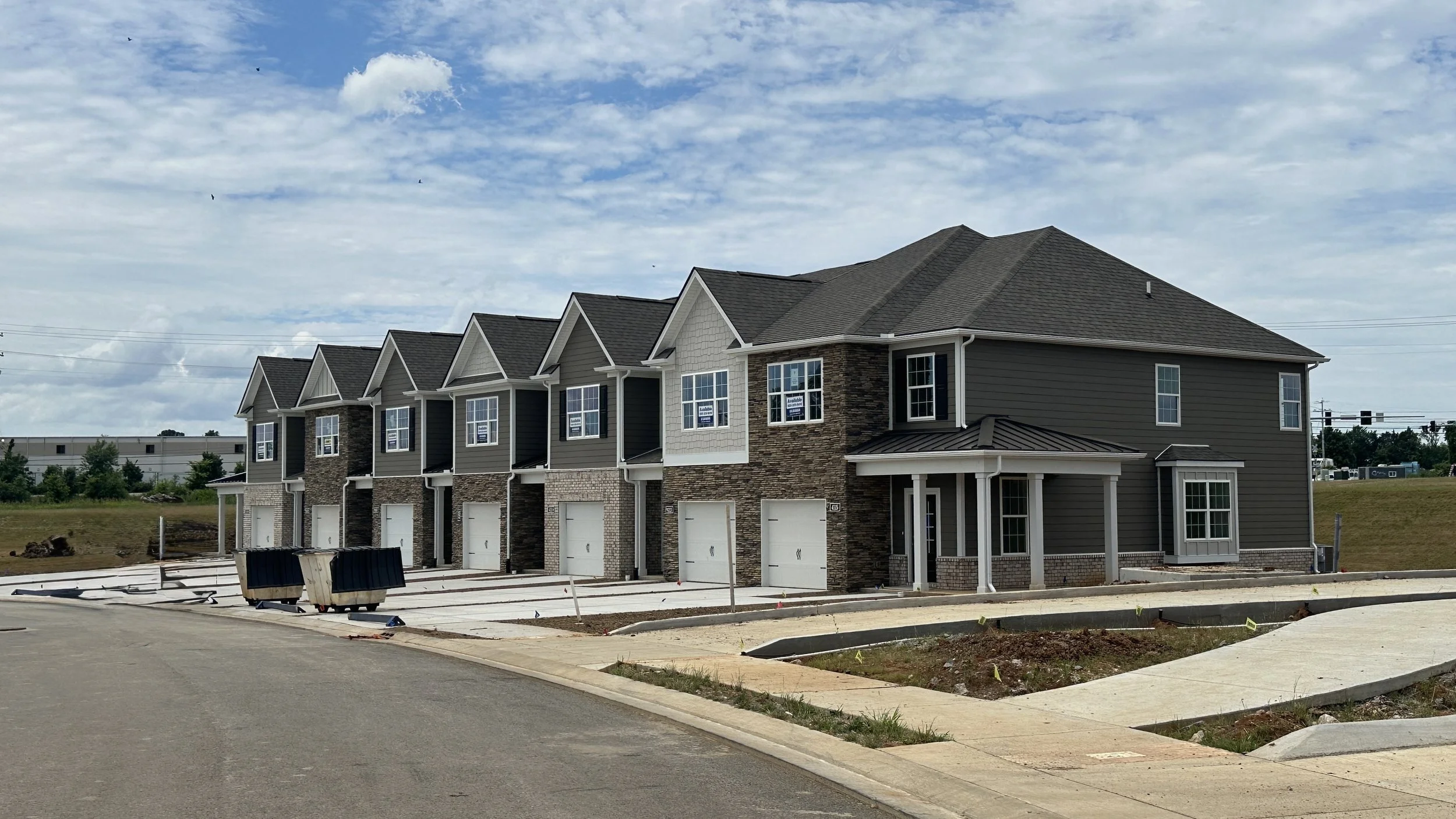
House Hacking: A Realistic Breakdown for First-Time Investors
House hacking sounds like financial wizardry, but it's actually one of the most straightforward paths to building wealth through real estate.

AI Scams in Real Estate: What Buyers and Sellers Need to Know in 2026
If something feels off, it probably is. Protect yourself and be more vigilant than ever.

Avoiding Probate on Your Home: Wills, Trusts, and Smart Planning Steps
The probate process can be time-consuming, stressful, and expensive for families after a loved one passes away. Many people discover how complex and costly probate can be only when they experience it firsthand.

Due-on-Sale Clause: What Triggers It and Why It Matters in 2026
With more people exploring creative financing options like Subject To deals, lease-options, and family transfers, understanding what can trigger Due - on - Sale clause is more important than ever.

Subject To Real Estate Deals: A Straight Talk for Sellers in 2026
The tough reality and why most sellers regret jumping in is that you’re still the one the lender calls if things go wrong. If the buyer skips a payment, pays late, or stops entirely, the late notices, credit damage, and even foreclosure show up on your record - not theirs.